
Why Phantom (and the right Sol wallet extension) actually matters for your NFTs
-
by
kevindj
- No Comments on Why Phantom (and the right Sol wallet extension) actually matters for your NFTs
Whoa! Okay, so check this out—I’ve been using Solana wallets daily. My first impression was simple and a bit optimistic. Something felt off about the extensions I’d tried before. Initially I thought the UI was the main barrier, but after digging into permissions, signing flows, and developer tooling across different wallets I realized the friction often lives in little details that compound unexpectedly over time.
Seriously? Phantom stands out in the Solana ecosystem for its polish. And no, I’m not shilling—I’ve used it across multiple accounts. It balances UX with security in a way others sometimes miss. Which is why when you click install you should still pause and check the origin, the permissions requested, and whether your seed phrase or private key will ever be asked for outside the extension’s secure vault, because social engineering and copycat extensions are real threats and they prey on hurry.
Wow! Getting Phantom from trusted sources absolutely matters for safety. I usually head to official channels or verified release pages before installing extensions. One convenient place is the Phantom extension download page. If you want a quick reference to the Phantom wallet extension that’s easy to bookmark and revisit, I keep a handy link that points to the download instructions and extension details so you can cross-check before you add it to your browser.
Where to go for the Phantom wallet extension
When in doubt, use the verified source: https://sites.google.com/cryptowalletextensionus.com/phantomwalletdownloadextension/
Hmm… Phantom isn’t the only Sol wallet worth testing for your needs. There are lighter wallets and ones built for custodial services. For NFTs, I tend to prefer wallets with clear collection previews. The reason is simple: when you’re flipping, minting, or just tracking a small portfolio, the visual context and quick access to collections reduce mistakes and save time, though you still want the underlying transaction signing to be explicit and irreversible.
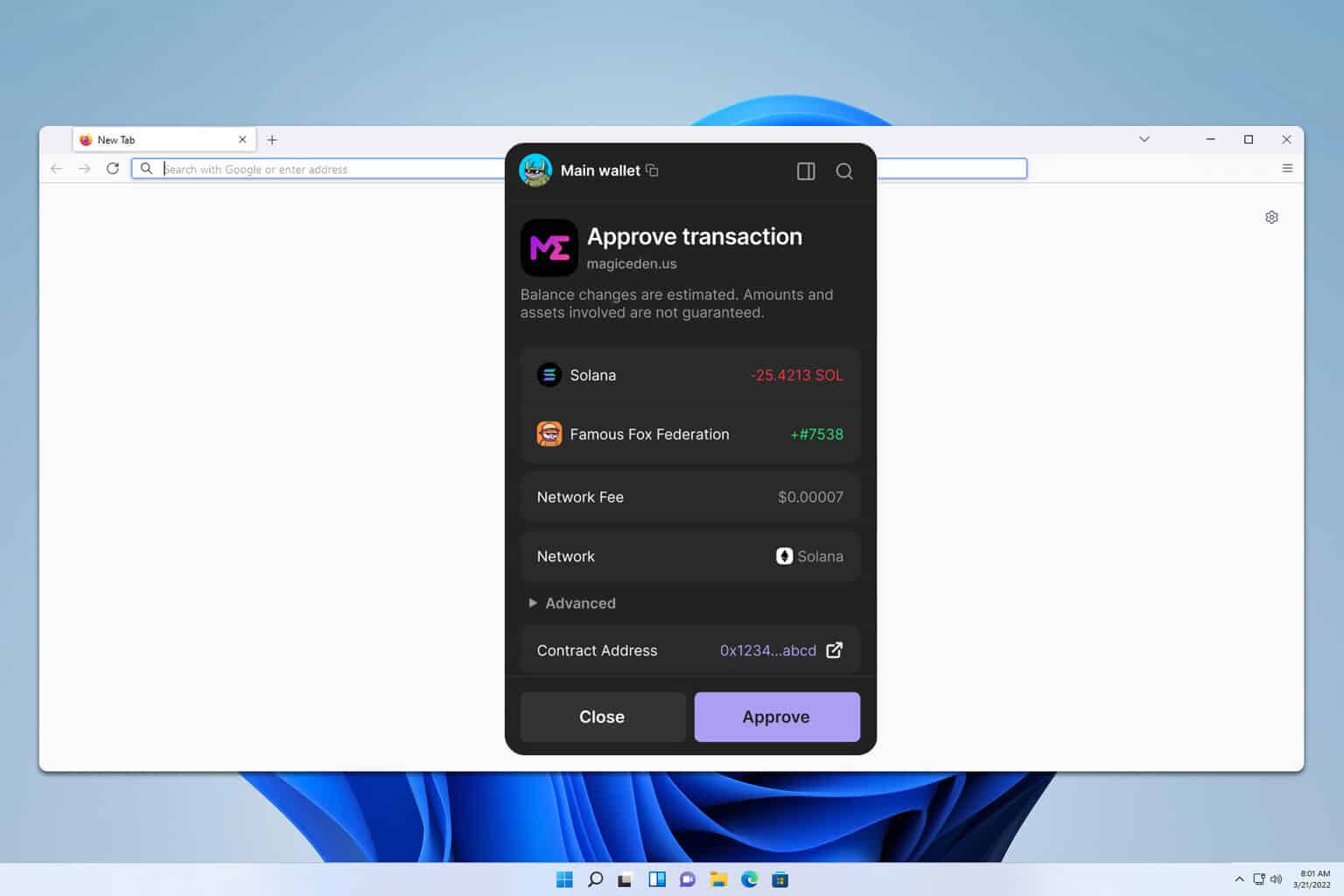
Okay. NFT wallets are a slightly different beast with extra UX expectations. Modern users expect thumbnails, metadata details, and easy resale links in-wallet. Phantom actually supports NFTs natively and shows clean previews in the gallery. That said, if you interact with NFT marketplaces, you should audit marketplace approvals and spend time understanding how delegated approvals and royalties are handled, because approvals can allow contracts to move tokens and that’s where people lose assets by mistake or via malicious contracts.
Here’s the thing. Permissions and contract approvals are where most people stumble with wallets. My instinct said to slow down and review those prompts carefully every time. Actually, wait—let me rephrase that: treat approvals as high-risk actions. On one hand wallets aim to be frictionless to onboard newcomers, though actually the balance must favor explicit consent and observable transactions so you can always see what was approved, when, and by which address, because auditability reduces mistakes and attackers’ windows.
I’m biased, but I tend to like extensions for daily use because they’re fast and integrated. Browser extensions give quick access to addresses and dapps. They also carry a unique risk surface compared to mobile. If you manage significant funds, hardware wallets that plug into extensions or use deep integrations are worth the setup time since they separate your signing keys from the browser environment and dramatically reduce the attack vectors.
So yeah. If you’re ready to try Phantom, do a few checks first. Double-check the extension manifest, install counts, and recent user reviews for red flags. Keep the seed phrase offline and never paste it into web prompts. If anything seems rushed, if the onboarding asks questions that don’t line up with other wallets, or if you get a popup that asks for sensitive data outside of the standard flow, stop and re-evaluate because the small choices you make at setup influence your security for years.
FAQ
How do I confirm an extension is legitimate?
Look for official distribution channels, signed releases, and consistent version history; also compare the permissions requested against documented behavior—if something asks to export your seed phrase or to access unrelated data, that’s a major red flag. I’m not 100% sure every checklist covers every scam, but these checks catch most copycats and the obvious fakes, so they’re very very important.